

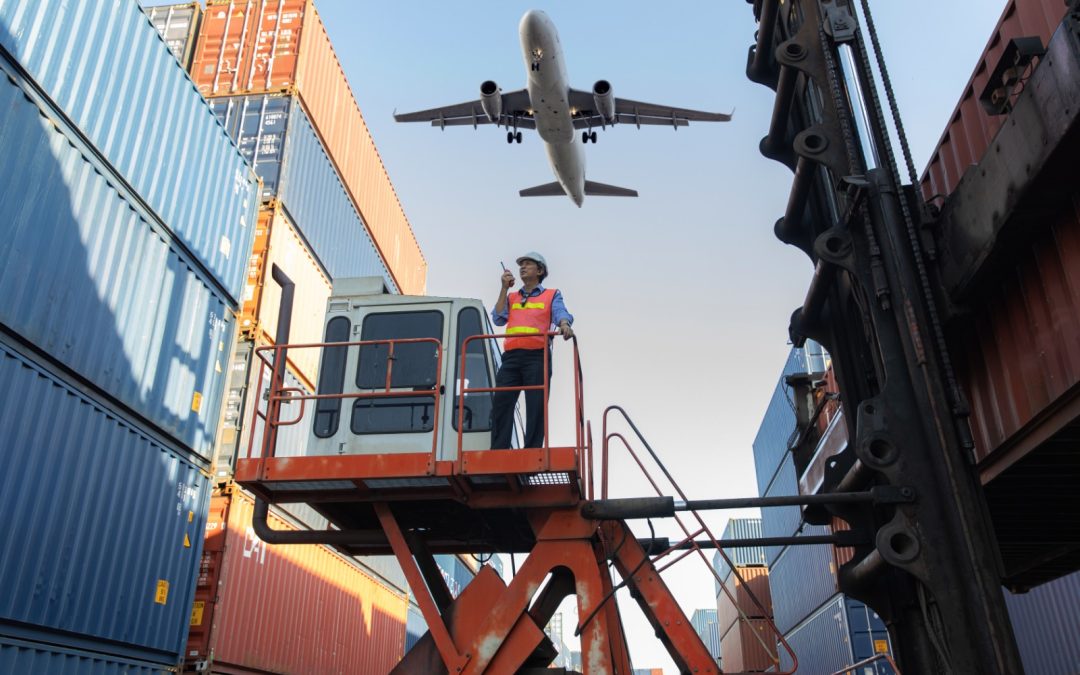
Introduction: A New Era for Logistics and Transportation
The logistics and transport industry is evolving faster than ever before, driven by rising customer expectations, rapid technological advancements, and the growing need for sustainable operations across global supply chains. Modern logistics and supply chain management now focus on smart decision-making, real-time data visibility, and innovative supply chain strategies that improve efficiency and resilience.
Businesses that closely monitor logistics industry trends and transport industry trends, while embracing digital transformation and data-driven logistics solutions, are better positioned to gain a competitive advantage in today’s increasingly connected and technology-enabled world.
1. Digital Transformation is Reshaping Logistics Operations
Digital logistics transformation has become a major driver of efficiency and scalability. Companies now rely on cloud-based platforms, automated tracking systems, and advanced analytics to manage complex supply chains.
Digital supply chain management tools provide real-time shipment visibility, predictive analytics, and faster response to disruptions. These smart logistics solutions allow companies to optimize delivery routes, reduce operational costs, and improve customer satisfaction.
As logistics and transportation technology continues to advance, businesses that invest in digital platforms will gain a significant operational advantage.
2. AI and Automation in the Modern Logistics Industry
Artificial intelligence is revolutionizing logistics automation by improving forecasting, inventory planning, and transportation efficiency. AI in logistics enables predictive route optimization, automated scheduling, and data-driven decision-making.
Automated transport systems and warehouse robotics reduce manual labor while increasing accuracy and speed. Smart algorithms analyze demand patterns, allowing companies to adjust operations in real time.
For logistics companies, automation is not just about reducing costs—it’s about creating agile, scalable operations that adapt to market changes instantly.
3. Sustainable Logistics Solutions and Green Transport Trends
Sustainability has become a core priority across the logistics and transportation industry. Green logistics practices focus on reducing carbon emissions, minimizing waste, and improving fuel efficiency.
Electric delivery fleets, eco-friendly packaging, and optimized route planning are some of the sustainable logistics solutions gaining traction. Businesses adopting environmentally responsible transport strategies not only reduce costs but also strengthen brand reputation and customer trust.
As environmental regulations tighten globally, sustainable transport industry trends will continue shaping operational decisions.
4. Future Transportation Technology and Autonomous Mobility
Future transportation technology is redefining how goods are delivered. Autonomous trucks, smart fleet management systems, and drone delivery solutions are becoming part of modern logistics operations.
Automated transport systems help address labor shortages while improving delivery consistency and safety. Advanced telematics and IoT devices allow logistics managers to monitor vehicle performance, fuel consumption, and route efficiency in real time.
These innovations are accelerating the transition toward fully connected and intelligent transportation networks.
5. E-Commerce Growth Driving Last-Mile Delivery Innovation
The rise of online shopping has significantly influenced last mile delivery trends. Consumers now expect faster, more flexible delivery options, pushing logistics companies to innovate their distribution models.
Micro-fulfillment centers, automated sorting systems, and AI-powered logistics platforms are improving delivery efficiency and reducing delays. Businesses are also investing in real-time delivery tracking and predictive shipping technology to enhance customer experience.
As e-commerce continues to expand, last-mile logistics will remain one of the most competitive and innovative areas within the logistics industry.
6. Workforce Evolution in Digital Logistics and Transport
As logistics operations become more technology-driven, workforce skills are evolving. Modern logistics professionals must understand digital platforms, automation systems, and supply chain analytics.
Roles are shifting from manual operations to strategic planning, data analysis, and technology management. Organizations investing in workforce training and digital skills development will be better prepared for future industry changes.
The future of logistics and transport will rely not only on technology but also on skilled professionals capable of managing intelligent supply chain systems.
Key Challenges Facing the Logistics and Transportation Industry
Despite rapid innovation, the logistics sector faces several challenges:
High implementation costs for automation technologies
Cybersecurity risks in digital supply chains
Infrastructure gaps for electric transport systems
Talent shortages in advanced logistics technology roles
Companies must adopt phased digital transformation strategies to overcome these challenges effectively.
For more details please visit our logistics and supply chain management page
Conclusion: Preparing for the Future of Logistics and Transport
The future of logistics and transport is defined by innovation, automation, sustainability, and digital transformation. AI in logistics, smart logistics solutions, and advanced transportation technology are reshaping how businesses manage global supply chains.
Organizations that embrace supply chain innovation, invest in sustainable logistics solutions, and adopt digital logistics transformation strategies will be best positioned to succeed in a rapidly evolving industry.
As global trade becomes more complex and customer expectations continue to rise, agility, technology adoption, and strategic planning will remain essential for long-term success in the logistics and transportation industry.