

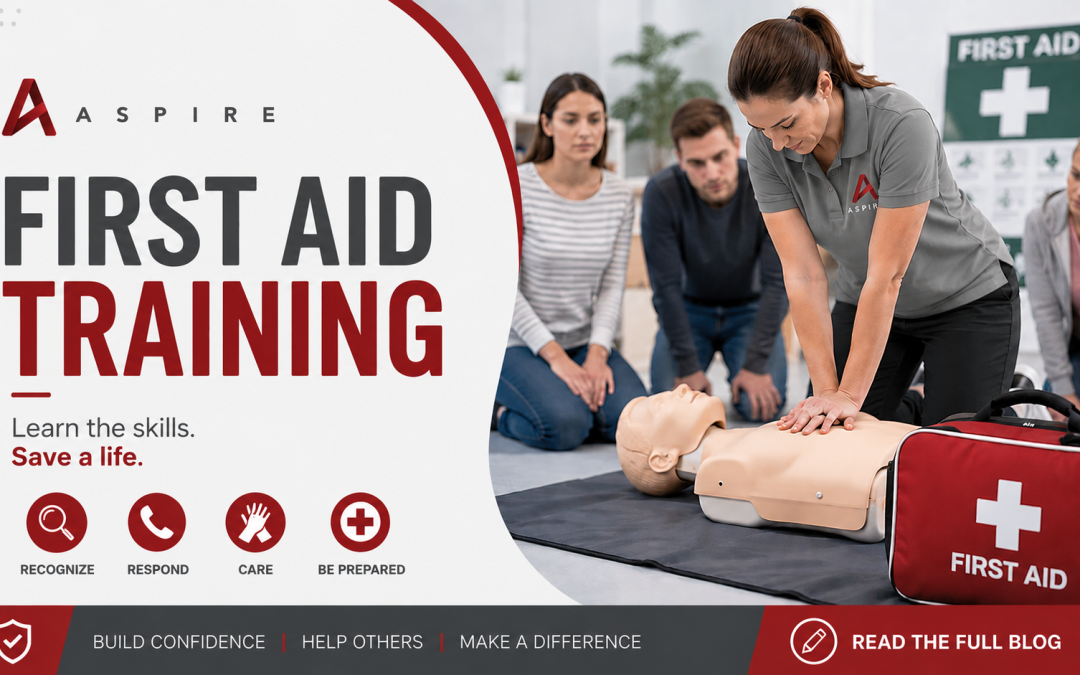
From boardrooms to backyards — the case for getting trained in the UAE
Picture this: a colleague collapses in a meeting room, a toddler chokes on a grape at a birthday party, or a driver is the first to reach the scene of a road accident on Sheikh Zayed Road. In each of these moments, the difference between a good outcome and a tragedy often comes down to what happens in the first few minutes — long before an ambulance arrives. That’s the entire premise behind first aid training, and it’s why demand for it across Dubai and the wider UAE keeps climbing.
This guide walks through what first aid actually covers, why it matters so much in a city like Dubai, and what you need to know about qualifying, compliance, and choosing the right course.
What Exactly Is First Aid?
First aid is the immediate, temporary care given to someone who is injured or suddenly ill, before trained medical professionals take over. It isn’t a substitute for emergency medical treatment — it’s the bridge that keeps a person stable until that treatment arrives.
At its core, first aid serves three purposes:
- Preserve life — through actions like CPR or controlling severe bleeding
- Prevent deterioration — stopping a manageable injury from becoming a medical emergency
- Promote recovery — giving the right care early so healing starts sooner
Why First Aid Training Matters So Much in Dubai
Dubai’s pace of life, its dense workplaces, and its huge volume of daily traffic and tourism mean emergencies aren’t rare events — they’re a statistical certainty somewhere in the city every day. A few reasons first aid skills carry extra weight here:
1. The First Minutes Decide the Outcome
For emergencies like cardiac arrest or severe choking, survival often hinges on what bystanders do before paramedics show up. A trained person on the scene can mean the difference between a full recovery and a permanent injury — or worse.
2. Workplace Safety Obligations
UAE occupational health and safety frameworks expect many employers — especially in construction, manufacturing, hospitality, and logistics — to have trained first aiders on-site and accessible first aid supplies. Beyond the compliance angle, it’s simply good risk management: fewer untreated injuries, faster incident response, and a workforce that feels genuinely looked after.
3. Confidence Over Panic
Most people freeze in an emergency not because they don’t care, but because they don’t know what to do. Training rewires that response — it replaces panic with a clear set of steps, so people can act instead of hesitate.
4. Everyday Life, Not Just the Workplace
Emergencies don’t check whether you’re “on the clock.” A parent dealing with a child’s fall, a teacher managing a playground injury, a personal trainer responding to a client’s cramp or collapse, a driver stopping at an accident — all of these are real-world scenarios where basic first aid knowledge gets used far more often than people expect.
The Real Benefits of Getting Trained
| Benefit | What It Looks Like in Practice |
|---|---|
| Saves lives | CPR, bleeding control, and choking response performed correctly and fast |
| Speeds up recovery | Proper wound care and fracture handling reduce complications |
| Strengthens workplace safety | Fewer escalated incidents, better incident response, safer culture |
| Builds personal confidence | Less hesitation, clearer decision-making under pressure |
| Protects family and community | Skills extend beyond the workplace into everyday life |
Who Should Get First Aid Trained?
While anyone can benefit, certain groups in Dubai gain the most from formal training:
- Employees and employers across high-risk industries (construction, manufacturing, logistics)
- Parents, nannies, and caregivers
- Teachers and school staff
- Fitness trainers, coaches, and gym staff
- Hospitality, retail, and front-of-house teams
- Security and facilities personnel
How the Training Process Works
Completing a first aid course in Dubai generally follows a simple path:
- Enroll in a recognized first aid training provider
- Complete the course covering core skills — CPR, wound care, choking response, and emergency assessment
- Pass both the practical demonstration and the theory assessment
- Receive an accredited qualification, typically valid for a set renewal period
Training Built Around Real Environments
Generic instruction only goes so far — first aid is most useful when it’s tailored to the setting where it’ll actually be applied:
- Corporate offices: medical emergencies, workplace incidents, ergonomic injuries
- Construction sites: trauma care, fractures, and high-risk injury response
- Hospitality venues: choking, fainting, and allergic reaction management
- Schools and nurseries: child-specific emergencies and injury handling
Most providers now also offer flexible formats to fit different schedules and needs:
- On-site training delivered at your workplace
- Online theory paired with in-person practical sessions (hybrid learning)
- Evening and weekend courses
- Fast-track training for urgent compliance needs
- Private one-on-one sessions or small group/family training
Frequently Asked Questions
Is first aid training mandatory for businesses in Dubai?
Requirements vary by industry and company size, but many sectors — particularly construction, hospitality, and manufacturing — are expected to have trained first aiders and accessible first aid supplies on-site as part of broader occupational health and safety obligations. It’s worth checking the specific requirements that apply to your industry and confirming them with your HR or compliance team.
How long does first aid training remain valid?
Most qualifications are valid for a set period (commonly one to three years, depending on the course and provider) before a refresher is required to keep skills current.
Can I complete training without taking time off work?
Yes — many providers now offer evening, weekend, or hybrid online/in-person courses specifically to fit around work schedules.
Do I need any prior medical knowledge to take a first aid course?
No. First aid courses are designed for complete beginners and walk participants through every skill step by step, with hands-on practice included.
For more details please visit first aid training page
Ready to Get Trained?
Whether you’re training a team for workplace compliance or simply want the confidence to protect your own family, the right first aid course turns knowledge into action when it matters most.